



The Unsung Hero of Industrial Processing: The Three-Phase Separator
In the bustling world of industrial processing, where complex mixtures of gas, oil, and water flow relentlessly, one piece of equipment quietly rises to the challenge: the three-phase separator. This remarkable device takes on the critical task of separating these mixtures into their individual components, ensuring that operations run smoothly, efficiently, and sustainably.
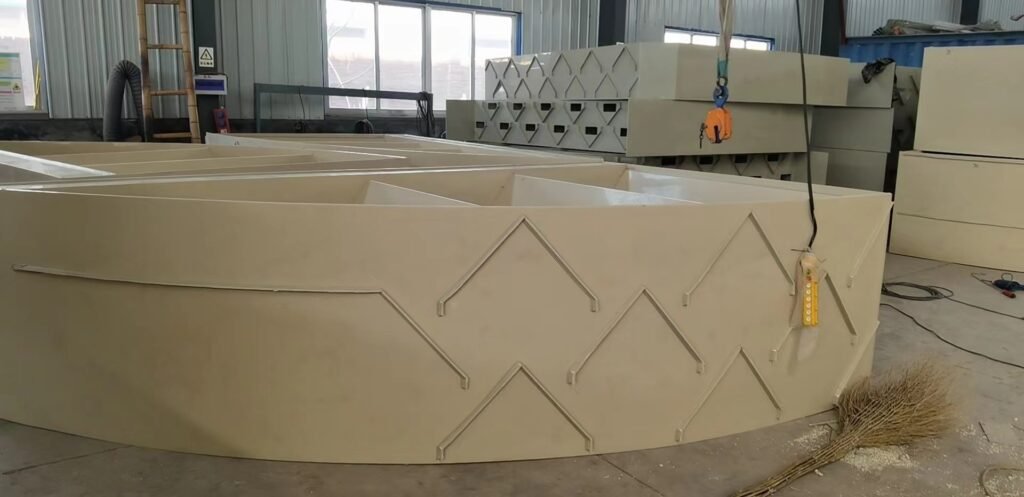
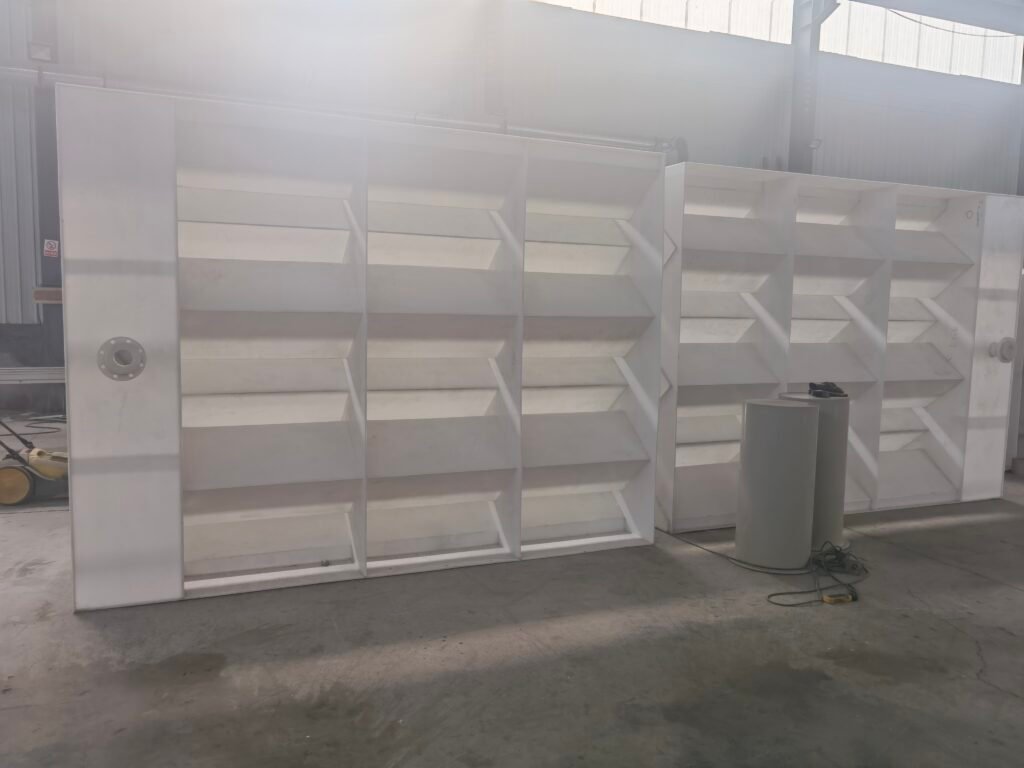
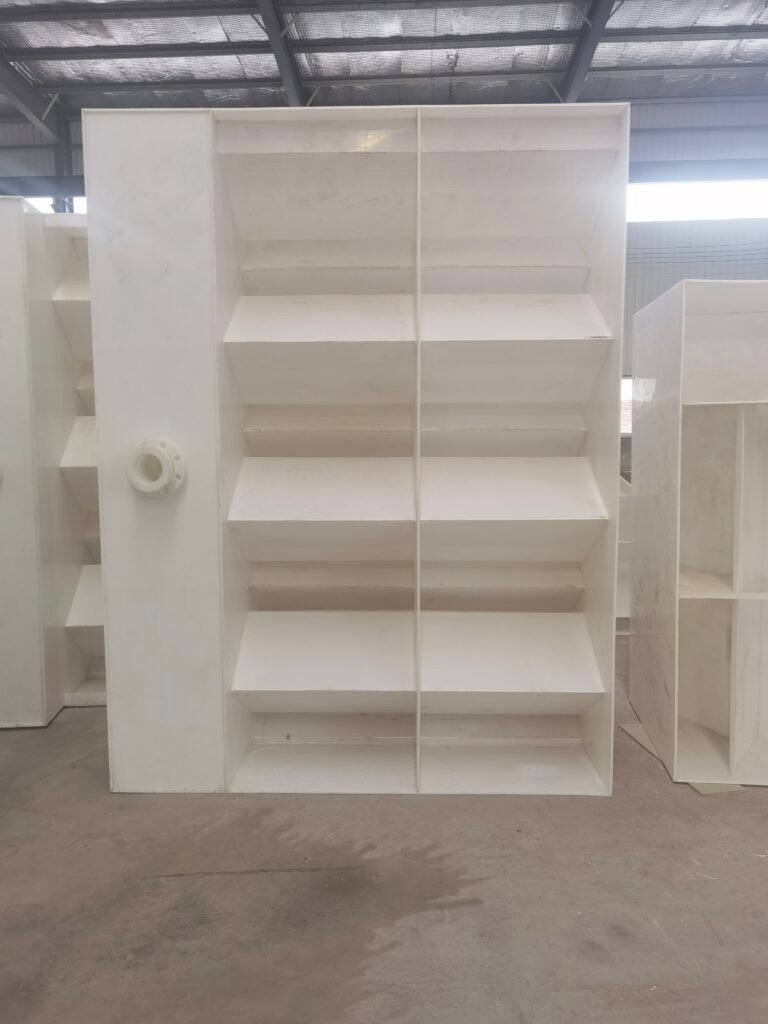
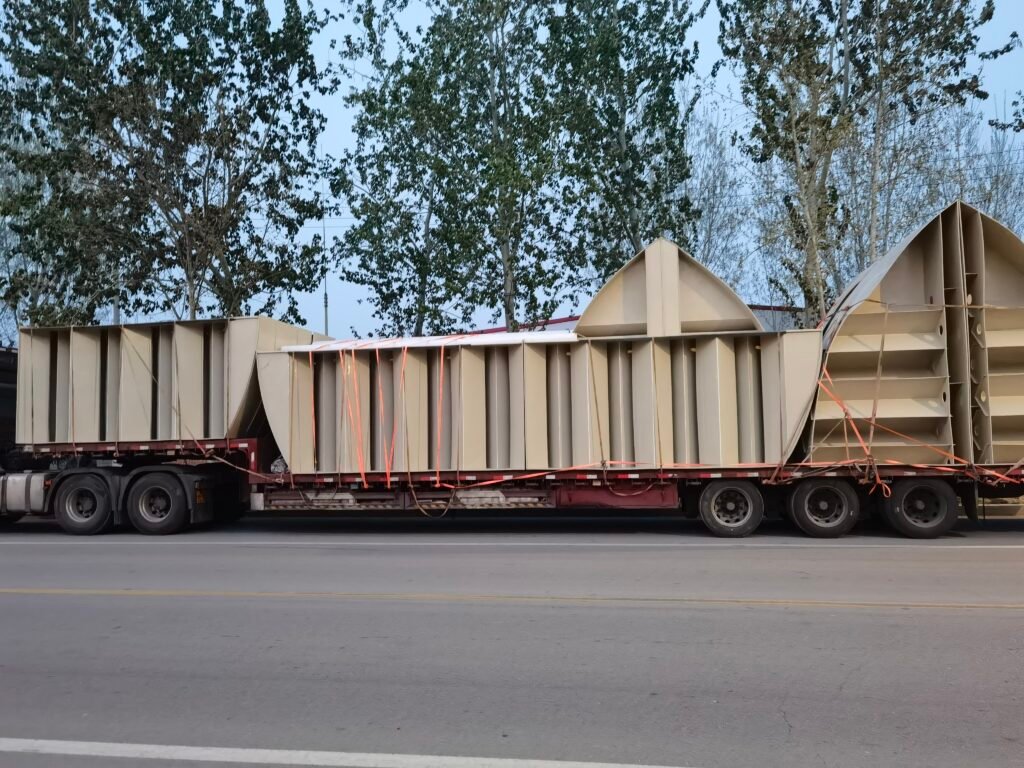
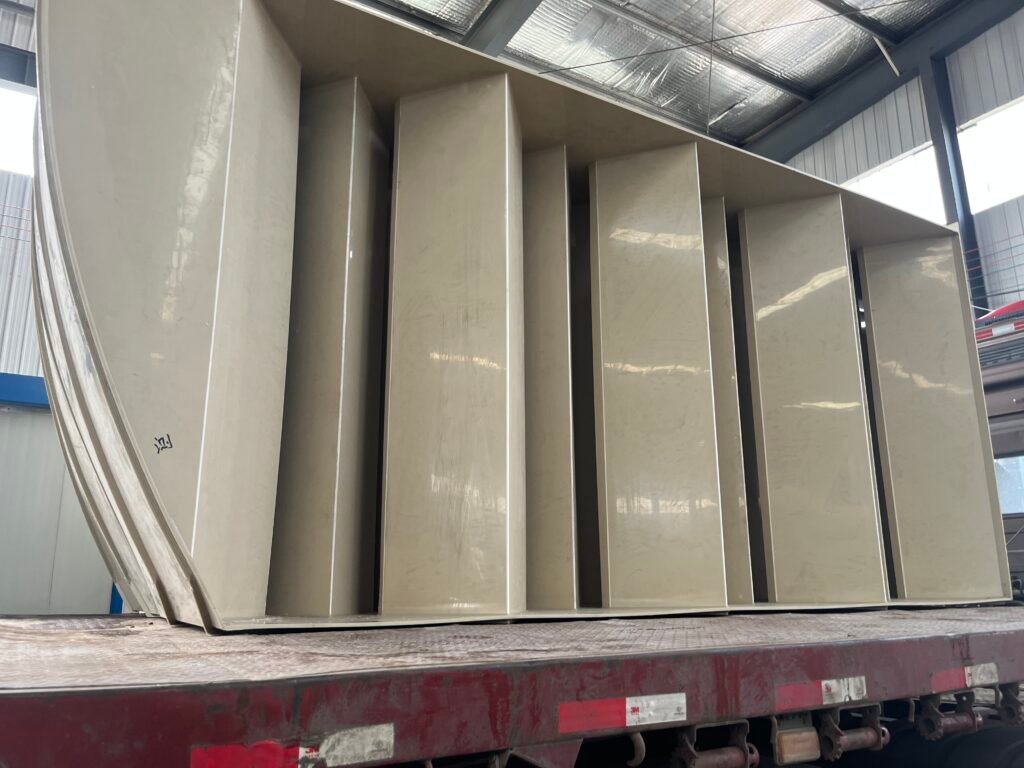
What is a Three-Phase Separator?
At its core, a three-phase separator is a specialized tool designed to untangle a messy blend of gas, oil, and water into three distinct phases. Widely used across industries like oil and gas, chemical processing, and wastewater treatment, it’s a key player in keeping processes streamlined and effective. Think of it as a master organizer, bringing order to chaos with precision and reliability.
How Does It Work?
The magic of a three-phase separator lies in its elegantly simple yet highly effective design. When a mixture enters the separator, it’s given a moment to settle. Nature takes over from there: gas, being the lightest, rises to the top; oil, lighter than water, floats in the middle; and water, the heaviest, sinks to the bottom. To boost this natural process, many separators come equipped with clever enhancements like coalescers—helping tiny droplets merge into larger, easier-to-separate ones—and baffles, which guide the flow for maximum efficiency. It’s a beautifully straightforward solution to a complex problem.
Applications Across Industries
The versatility of three-phase separators makes them indispensable across a range of sectors:
- Oil and Gas Production: At the heart of oilfields, these separators handle the initial split of well fluids, setting the stage for further refining.
- Chemical Processing Plants: They ensure chemical mixtures are separated cleanly, boosting product quality and process efficiency.
- Wastewater Treatment: By stripping oil and gas from water, they help facilities meet strict environmental standards.
- Food Processing: In niche applications, they tackle the separation of fats, oils, and greases from wastewater.
No matter the industry, the three-phase separator proves its worth time and again.
Benefits of Using Three-Phase Separators
Why are these separators so valued? The advantages speak for themselves:
- Efficiency: They swiftly sort out the phases, cutting down on extra processing steps and saving both time and energy.
- Cost Savings: Better separation means higher yields and less waste—a win for any budget.
- Environmental Compliance: By cleaning water before it’s discharged, they help industries stay on the right side of regulations.
- Safety: Proper separation reduces equipment strain, enhancing overall operational safety.
In short, a three-phase separator isn’t just a tool—it’s an investment in smarter, safer, and more sustainable operations.